
The last few weeks of a school year have a particular feeling to them, there’s excitement and the promise of summer, with lighter days and a break from routine. But for many young people, this time of year also means navigating endings.
For some school pupils the end of term might mean moving up a year group and perhaps saying goodbye to a teacher who has known them well. For others it might mean leaving the school entirely, their friends, the corridors and the school bell that signalled their next move, the familiar rhythms of their time in education that are drawing to a close. They might be moving up to secondary school, or finishing their exams, while others might be stepping out into the world beyond education, each can feel a bit overwhelming in their own ways. For many pupils, these changes can all arrive at once, transitions in education don’t often come neatly, one at a time. Transitions in education are rarely just one big change, they are many simultaneous changes across social, academic and personal domains, affecting the young person and the people around them too.
Alongside these simultaneous changes are often simultaneous feelings too. They might feel excitement about what’s to come just as strongly as they feel anxious about it. They could feel relief at having finished school but also a quiet worry about losing a friendship that might not last the summer or missing a teacher who made them feel safe. Research with young people going through educational transitions highlights something particularly tender, with young people talking about the loss of long-term relationships with staff and friends, and about how much it matters to feel remembered. One child remembered receiving a card when they left primary school and it made them feel like they wouldn’t be forgotten.
Summer also brings some unique challenges for young people. For so many, school is more than just education, it provides structure, routine and daily connection with friends and trusted adults. With this often comes a sense of safety and nourishment that life at home doesn’t always offer, so when term draws to a close, all of that ends at once. The contrast between a busy and structured school environment and weeks of unstructured, often unsupervised time at home can feel disorientating and for some young people it brings feelings of loneliness and anxiety.
Not all endings are bad of course, and for many young people they mark moments of pride, growth and anticipation of what’s to come. Something we’ve been thinking about is how endings can shape how the next chapter begins. The Chartered College of Teaching notes that the primary to secondary transition is often regarded as one of the most challenging periods in a young person’s education, and that the quality of support around it makes a real difference to both wellbeing and outcomes.
And young people themselves describe a sense of loss during these changes and a need for closure, wanting to feel valued, remembered, and to have space to mark the ending before moving on. Creating space for that might be as simple as a conversation that helps young people name what they are feeling, or a creative activity that invites them to reflect on what has helped them this year.
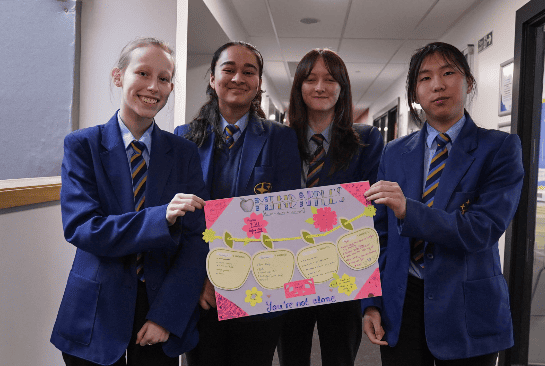
When young people have a shared language for how they are feeling, these moments can become easier to navigate. Our Feed Your Mind session helps young people identify the everyday habits and routines that support their wellbeing. Our Master Your Moods session gives them a framework for understanding the mix of emotions they experience, including the fact that relief and sadness, excitement and grief, can coexist. Both sessions are available as standalone workshops or as part of our wider Mindapples for Schools programme, which takes a whole-school approach to mental health and wellbeing.
If you would like to find out more about our work in schools, we would love to hear from you over the summer. Get in touch at schools@mindapples.org